

Mystics write poetry, universally.
Saints and sages, shamans and seers, wise women and medicine men—they sing songs, they riddle, they rhyme.
Numinous experiences are not easily communicated through words. The sacred can be witnessed and participated in, but not conveyed through limited concepts. Any attempt to communicate what is perceived in states of encompassing unity and mental quiet is necessarily an act of translation.
Prose is a poor medium for the task. Its descriptive language works best with known definitions and accepted meaning. Prose is a language of boundaries. Yet the most profound experiences refuse to be contained.
Poetry, on the other hand, does not define; it suggests. Where prose describes, poetry allows meaning to gather. It is this elastic nature that makes poetry well suited to the sacred, enabling language to relay truth without circumscribing it.
Sacred experience is beyond word and form, yet the limited mind, in trying to understand what it has witnessed, reflexively interprets its experience in terms of the world known to the senses.
What emerges is a primal language of metaphor, a rich and spontaneous pidgin that develops between the limited mind and the unlimited awareness.
Bliss, perceived through the senses as sweetness upon the palate, evoked the taste of honey. The mystic’s trembling ecstasy, accompanied by the senses of imbibing an ethereal drink, leads to language of wine and drunkenness.
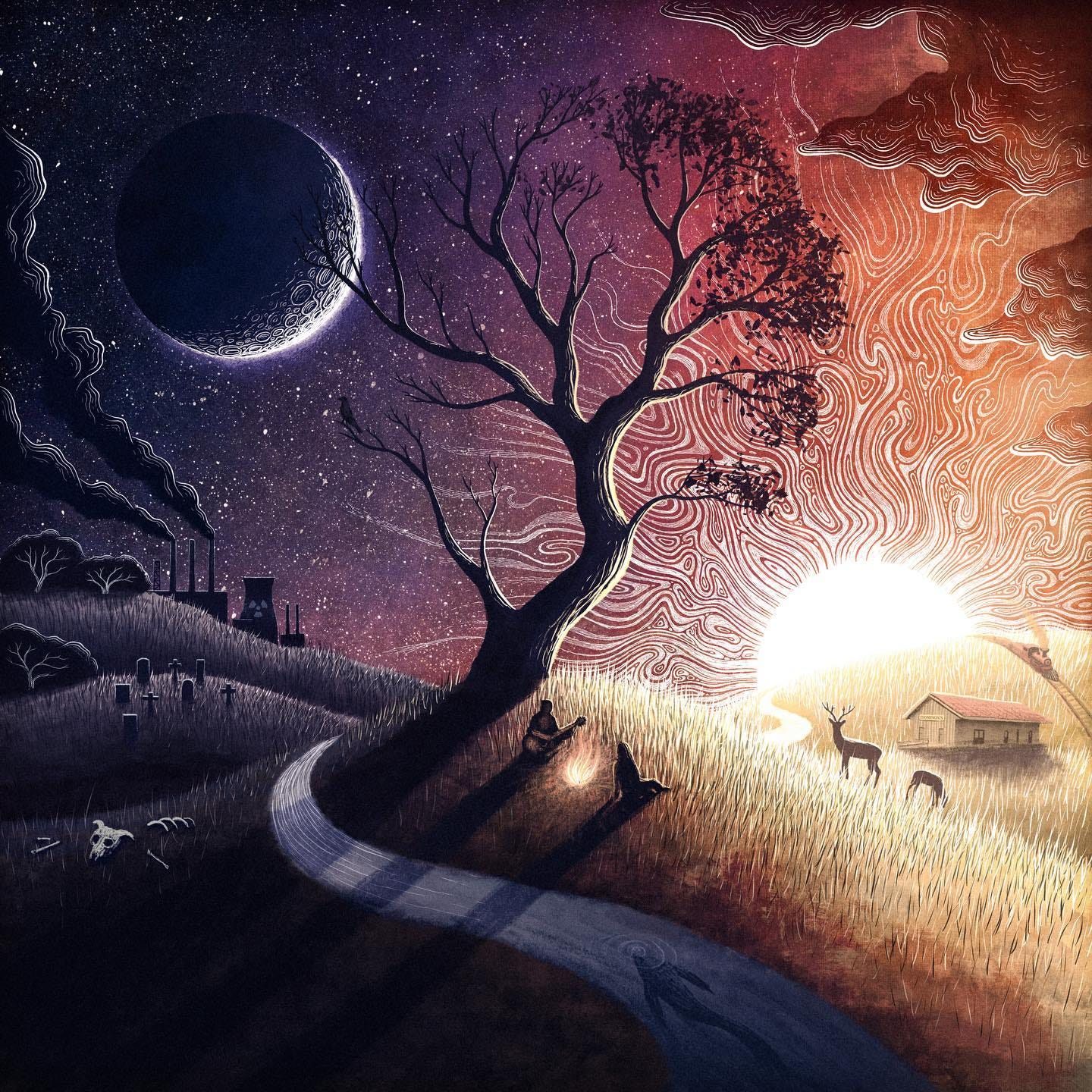
Profound stillness and the perception of an all-pervading light paints before the mind’s eye scenes of the full moon glowing quietly above the resting landscape at midnight.
The fiery rising of the Kundalini paired with the loss of ego inspires verses on the moth’s ecstatic annihilation of fire.
Regardless of culture and religious tradition, mystics everywhere fill their songs with these same metaphors.
In mundane perception, when everyone and everything is seen as separate and isolated, at most one can speak in simile, recognizing that one thing is like another. In that mindset, metaphor is merely artistic pretense. But to the seer, enraptured by the holistic vision of reality as a fluid interconnectedness, one thing truly is another.
Metaphor ceased to be a literary device or a dramatic mode of expression; it is observed reality.
It is from this visionary metaphor that sacred poetry is born.
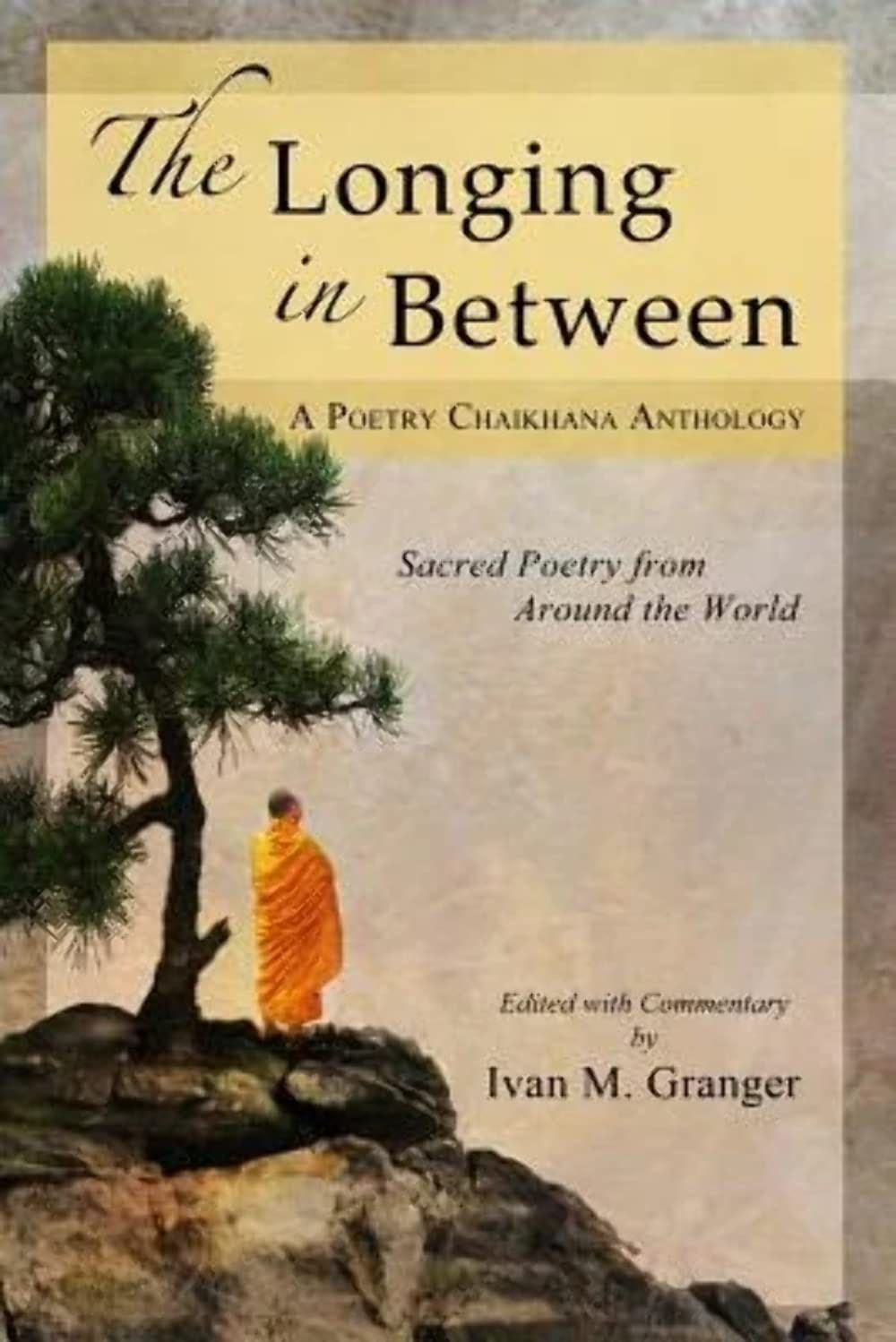
You can find this passage in the introduction to The Longing in Between: Sacred Poetry from Around the World.
I’m so thankful for the many curious souls who regularly read Poetic Outlaws, which is something I never could have imagined when I started this little corner of the internet.
If this publication has introduced you to a poem that stayed with you, a forgotten writer who became a companion, a book you ended up loving, or simply given you a few quiet minutes away from the relentless noise of the modern world, I’d like to ask you to consider becoming a PAID subscriber.
Poetic Outlaws is independent. There is no corporation behind it, no advertising department, no algorithm deciding what deserves your attention. It’s simply a labor of love devoted to poetry, literature, art, strange souls, beautiful books, and the writers who remind us that there are still deeper ways of being alive.
And the truth is, its future depends on readers who believe that work like this is worth supporting.
So if you read regularly and have been meaning to upgrade, consider this my humble invitation. Please consider becoming a paid subscriber.
And whether you become a paid subscriber or simply continue reading, thank you for being here.