“I don’t feel particularly proud of myself. But when I walk alone in the woods or lie in the meadows, all is well.”
—Franz Kafka
I’ve been to many enchanting landscapes throughout America. I’ve been blessed.
I’ve rambled up the California coast, roamed the deserts of Utah, and chased the ghost of Robert Johnson through the Mississippi Delta. I’ve slept in a one-man tent deep in the Rockies and followed Thoreau’s footsteps through the Maine woods. I’ve wandered all through the Appalachians and the barren lands of New Mexico.
I’ve sat in awe at the unimaginable beauty of it all.
However, there’s something I find unusually bucolic about being out in the wild woodlands of my home state of Florida. Perhaps the ecosystem is in my blood because my roots are here. Who knows. I read somewhere that the term “woodlands” comes from the Latin word “nemus”, meaning “no one.” To be deep in a forest is to be a no one, and oh, how glorious it is.
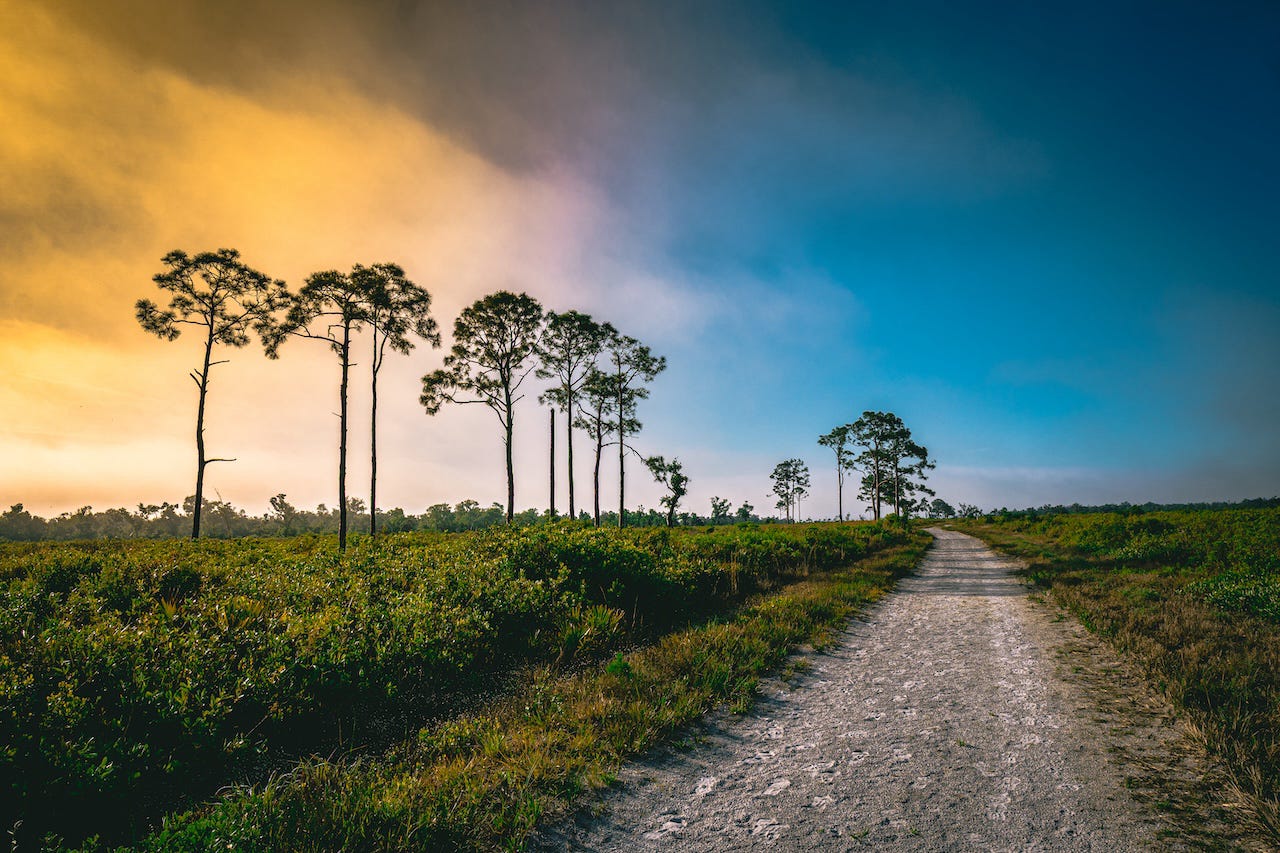
For me, there’s nothing like getting lost beneath the oak canopies and the cabbage palms and watching the sun flicker its rays through the pine flatwoods on a spring morning.
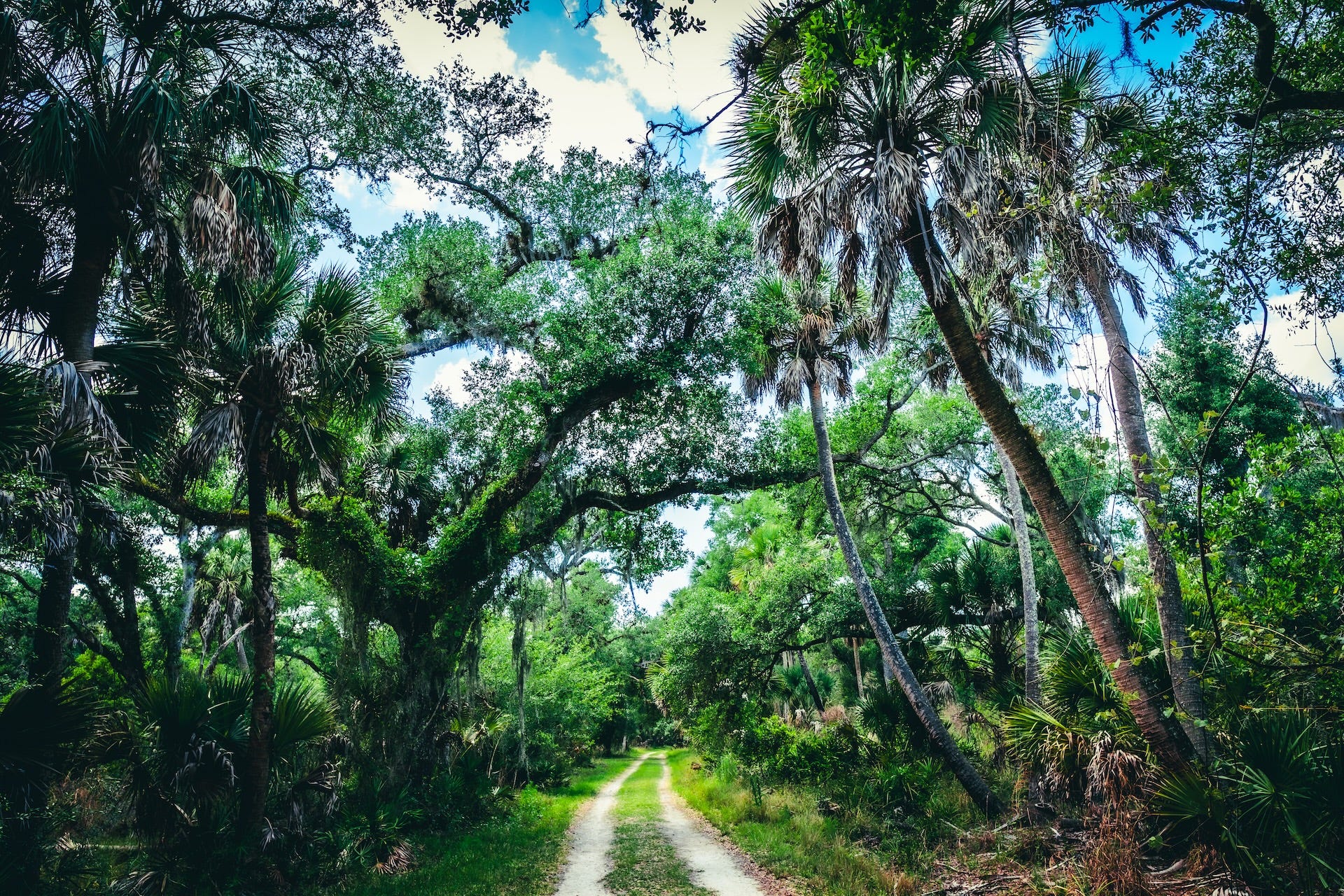
To get out there far into the dry prairies and the wetlands, marshes, and swamps. To roam like a demented nomad among the weeping ferns and the coastal dunes and sandhills. To get lost down old dirt roads cloaked by towering oaks draped with Spanish Moss. To kayak through a dark mangrove forest as the sea sighs in the distance.
That’s where it’s at for me. My refuge. My home away from the progress-obsessed madness of modernity. The old maxim is quite true: The human spirit needs places where nature has not been rearranged by the hand of man.
When you get out there beyond the frantic lives of the city folks with their profane appetites, away from the asphalt, theme parks, strip malls, and housing developments that dominate the land, Florida is a pristine, soul-nourishing place to roam. There's nothing like a solitary sojourn deep in the tropical lush of a land that many of its long-ago settlers found so unbearable and inhospitable…yet endured anyway.
Florida’s early settlers and homesteaders faced a brutal combination of oppressive heat and humidity, swarms of disease-carrying mosquitoes, dangerous wildlife, and isolating, swampy terrain. Early in the 19th century, in a debate on whether America should acquire the State of Florida, U.S. Rep. John Randolph of Virginia blurted out these words: “A man, sir, would not immigrate into Florida. No, sir! No man would immigrate into Florida, no, not from hell itself!”
It’s an unforgiving land, and the place I am heading to on this fine spring morning must’ve looked much like Florida did during that harsh, bygone era.
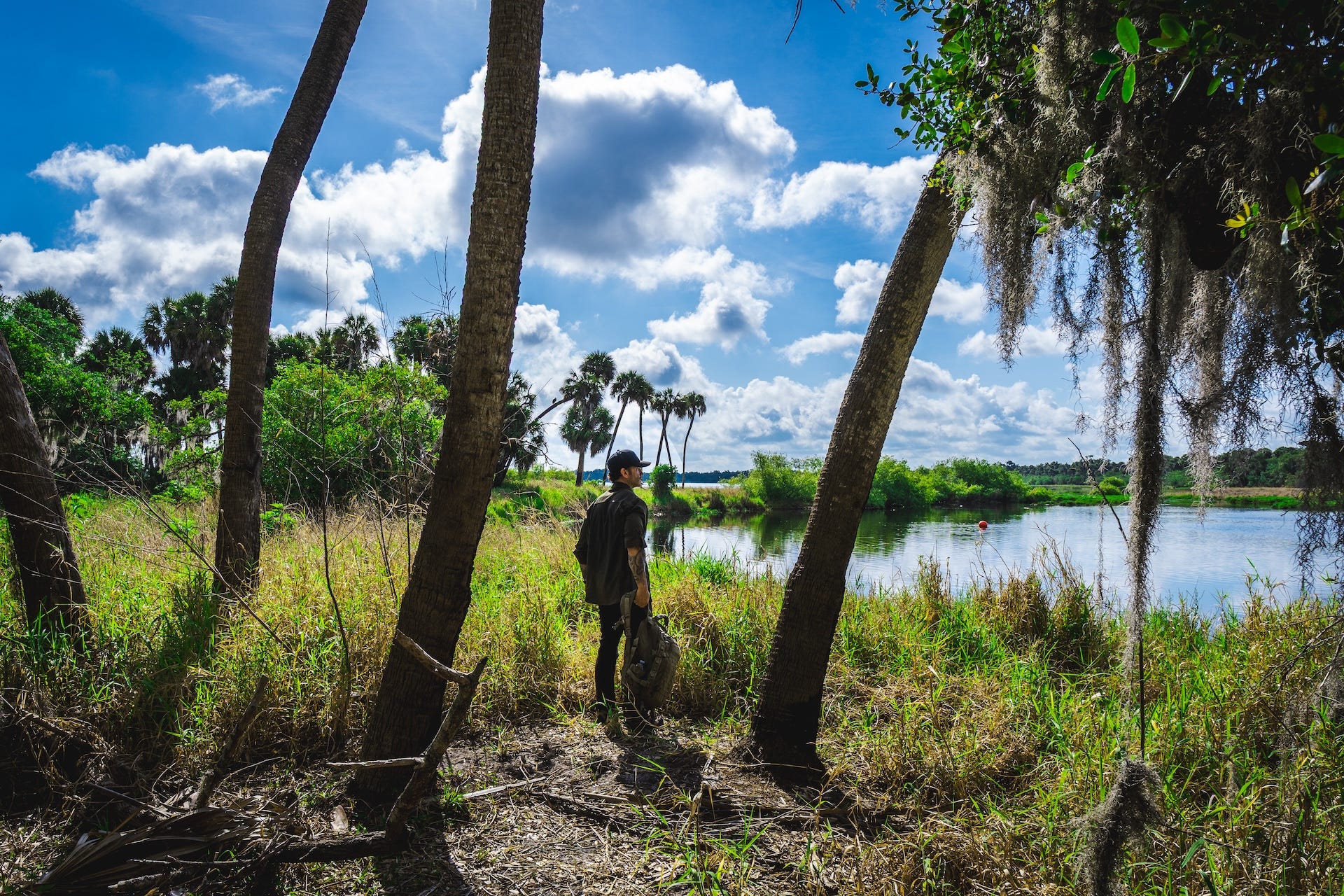
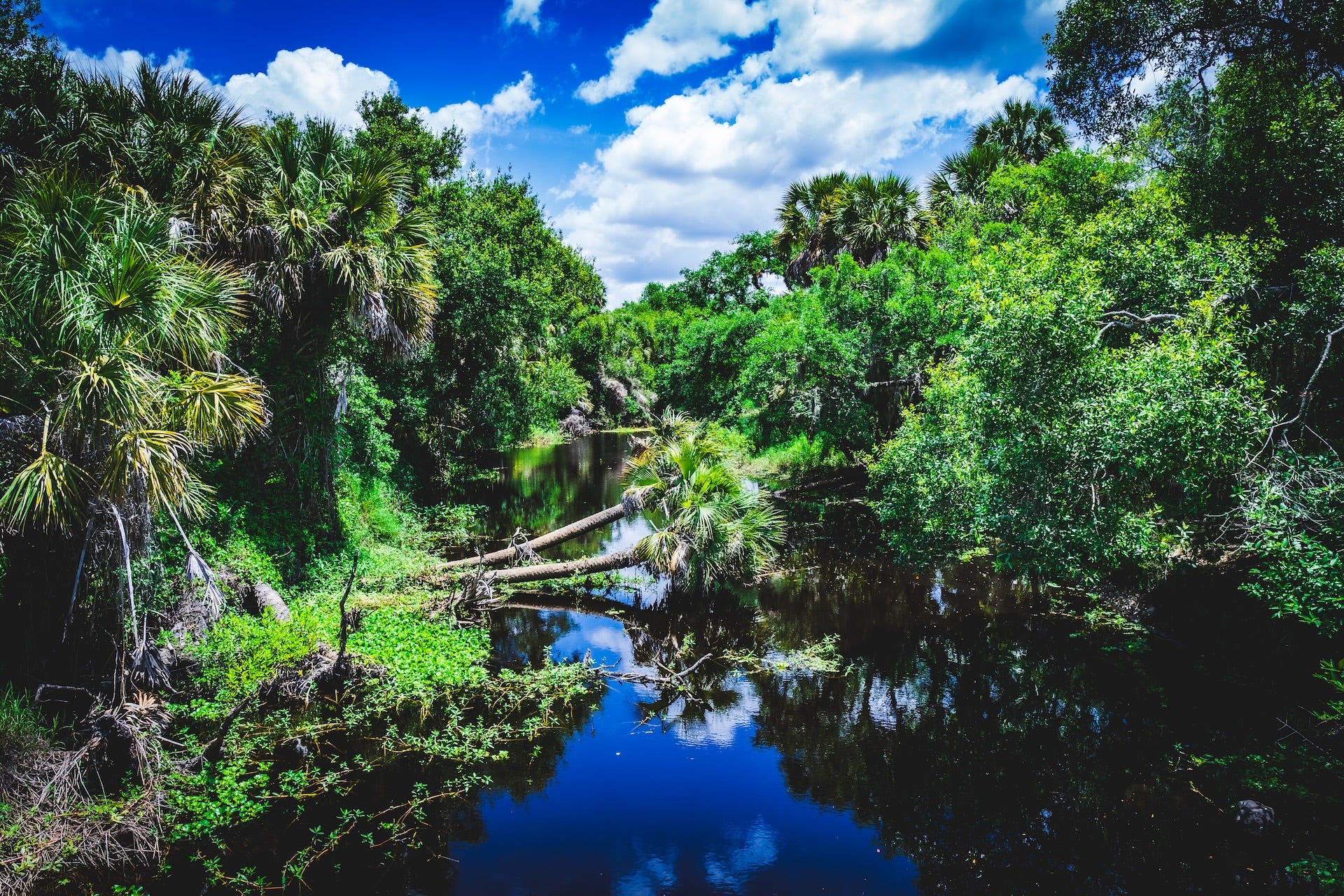
With my tent and rucksack packed, I set out early in the morning to make an almost three-hour drive to Myakka River State Park — one of Florida’s oldest and largest state parks. This untainted land spans about 37,000 acres just east of Sarasota. It preserves a vast, unspoiled mix of wetlands, dry prairies, oak hammocks, pinelands, hiking trails, and the slow-moving Myakka River—Florida’s first state-designated Wild and Scenic River.
These are the places I find solace. It’s my little buffer from the artificial, “air-conditioned nightmare” of the contemporary world. However, I am grateful for air-conditioning. Can’t lie.
I arrive as the sun hovers low over the trees and hike out to Deep Hole, a massive, 140-foot-deep prehistoric sinkhole home to hundreds of gators, though I only spotted about 15 on this particular morning. This sinkhole was formed over thousands of years as groundwater dissolved the underlying limestone.
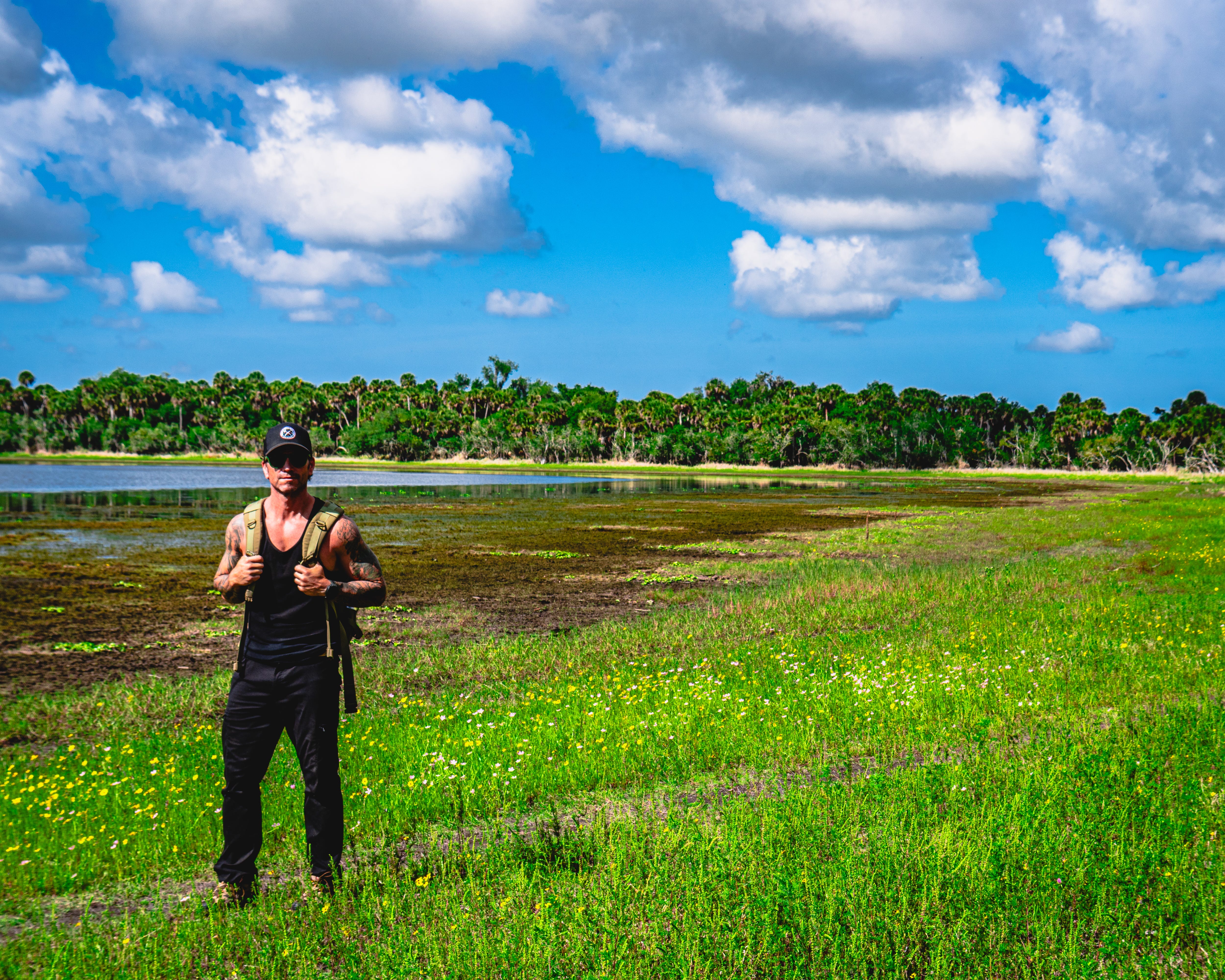
The sun blazed down as I hiked the 5 miles out and back through a vast, dry prairie on a sandy trail that had my calves screaming for mercy. The birds were plentiful—Bald Eagles, Limpkins, the Roseate Spoonbill, Sandhill Cranes, Swallow-tailed Kites, and Wood Storks. I even ran into a wild hog with a few of her piglets following closely behind.
There I am, a deluded American with a head full of dreams and defiance, all alone on the trail of life, a shadow in the sunshine, visions of the legendary Chinese poet Han Shan, who left civilization behind to live in a cave in the mountains, where he chiseled his zen-infused poems onto the bamboo, rocks, and boulders throughout the forest.
“Who can leap the world’s ties
and sit with me among the
white clouds?”
To roam through any landscape with eyes open to its unveiled realities, you begin to understand the relationship between the soul and nature. You become oblivious to time. The tedious problems of the civilized world start to fade. Your senses heighten, and you become one with that vital thread that runs through it all.
Beware, O wanderer, the road is walking too…
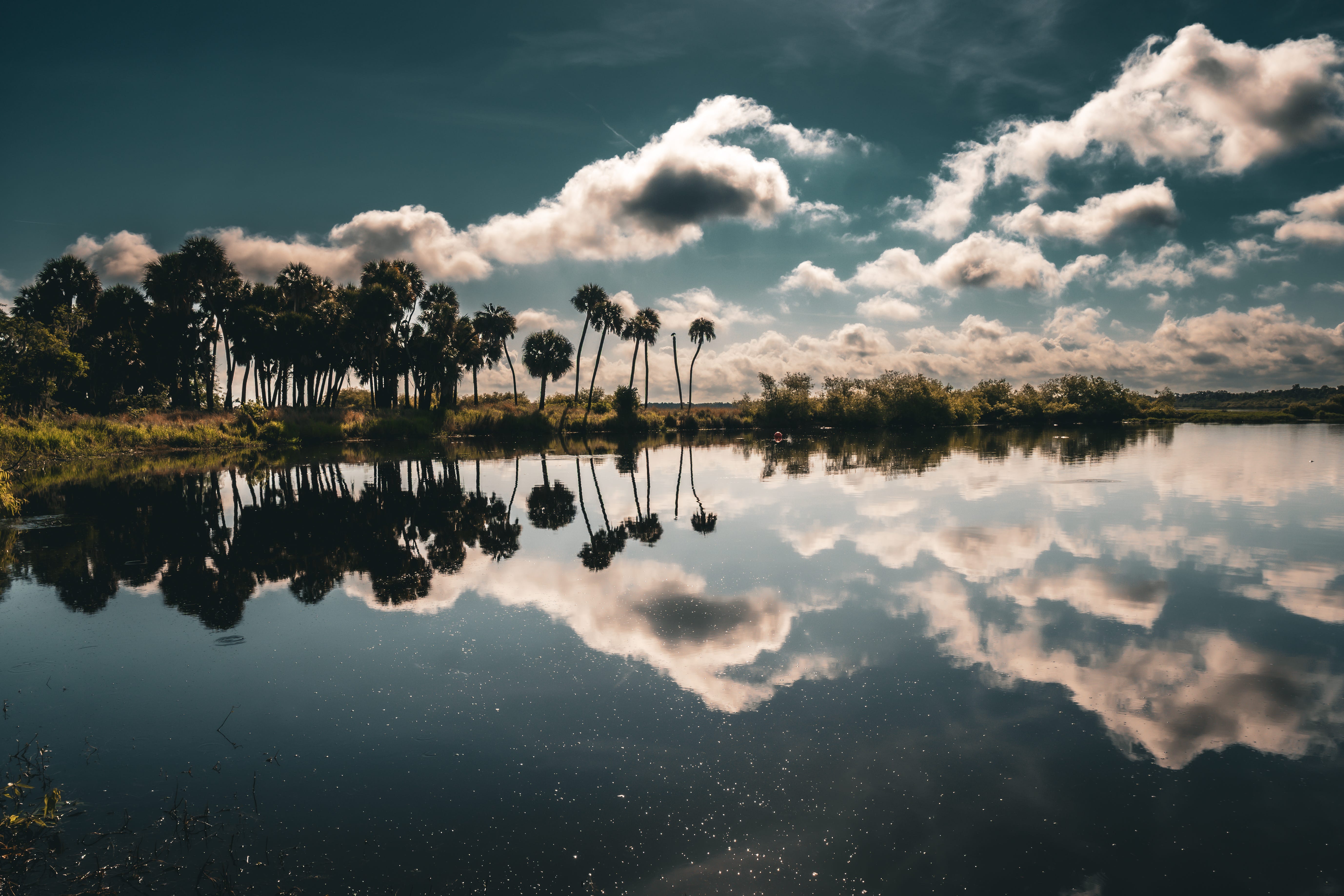
Carl Jung beautifully captured the restorative power of nature when he once observed that whenever we touch nature, we get clean. “People who have got dirty through too much civilization take a walk in the woods, or a bath in the sea… things are put right again.”
I feel this every time I’m out in the wild—a reconnection to the physical world. A much-needed grounding. A washing away of the mental clutter. This aligns with how many people intuitively feel renewed by time outdoors. It really is one of the great remedies for many of our ailments in these demoralized times, an antidote, as one writer put it, “to the high pressure of modern life, a means of regaining serenity and equilibrium.”
As the day pushed on, I set up camp under a canopy of trees. The park has many camping areas and even offers a few rustic cabins to rent. After logging 30,000 steps, sweaty and exhausted, roaming around and photographing the beauty of it all, I pop open a cold beer and just sit there in complete solitude listening to the breeze in the trees.
Perhaps Schopenhauer was on to something when he once said: “A man can be himself only so long as he is alone; and if he does not love solitude, he will not love freedom; for it is only when he is alone that he is really free."
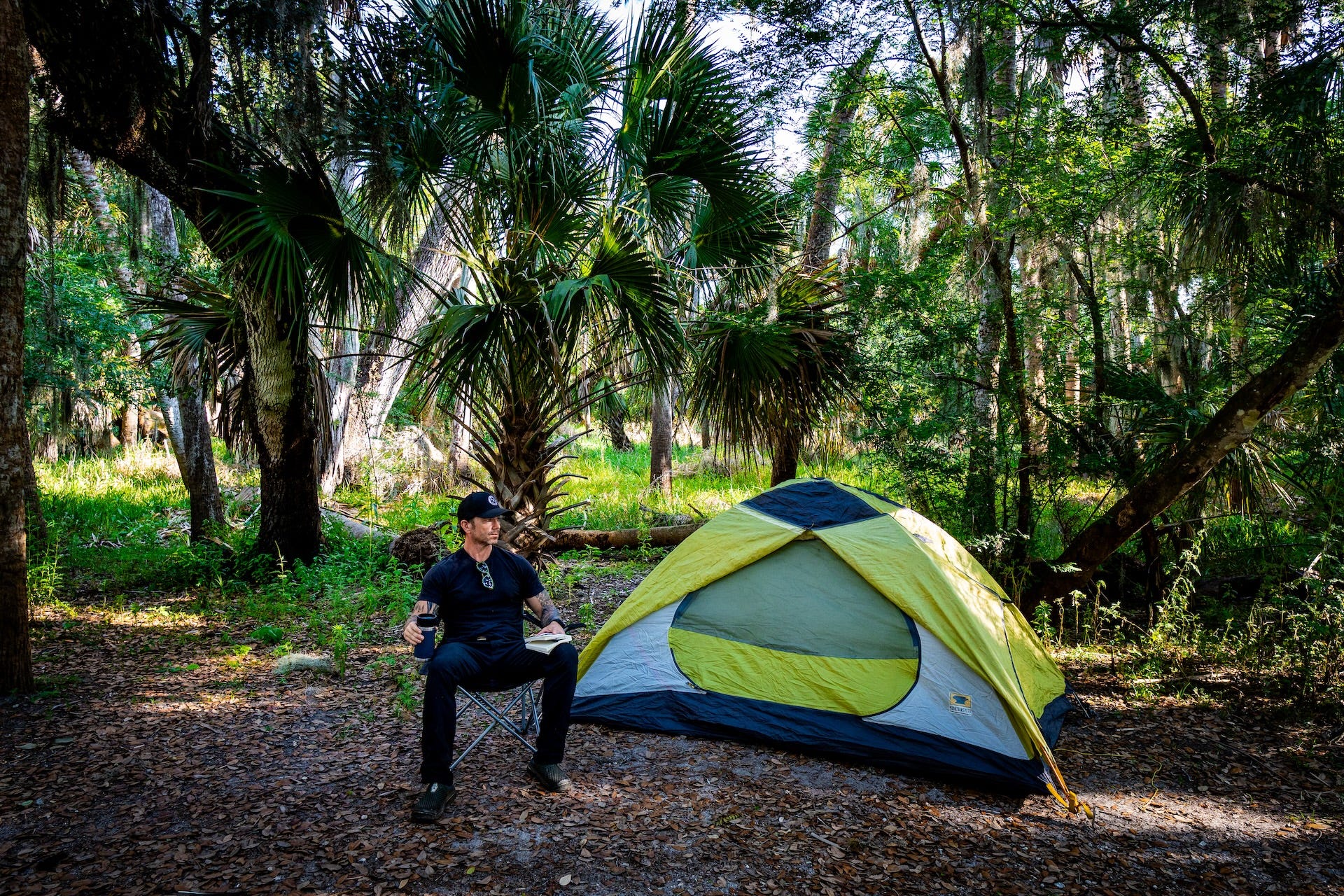
The beautiful thing about this park is that there’s not much “to do.” You’re just there, a humble onlooker in a vast wilderness. You roam and you observe and you see what there is to learn from the ancient trees and the immense beauty. As John Muir reminds us, “In every walk with nature, one receives far more than he seeks.”
When you venture into the wilderness, “the wild heart of life,” there’s always a possibility of stumbling upon the profound questions humanity hasn’t even learned to ask yet. As Wordsworth once so poetically reminded us:
One impulse from a vernal wood
May teach you more of man
Of moral evil and of good
Than all the sages can
As the dark set in, I tucked myself into my sleeping bag as a lullaby of cicadas and owls serenaded the night. Sharing the sentiments of Van Gogh, “I have loved the stars too fondly to be fearful of the night.” The sweet, nocturnal air fills my lungs as I drift off to sleep. Oh, how beautiful life is when you don’t need much.
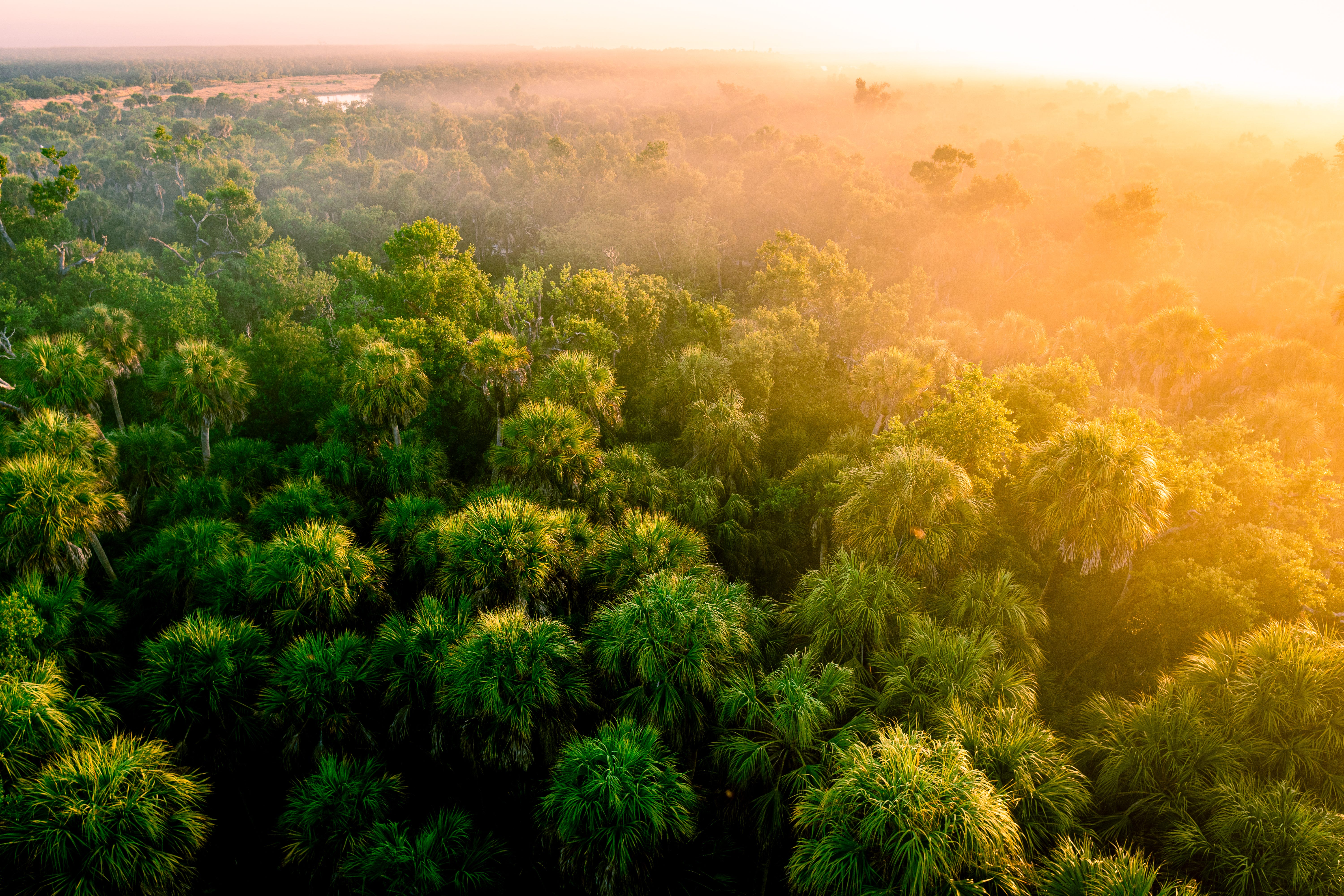
Morning arrives. The sun has yet to rise, and a choir of birds is alive and rejoicing. I crawl out of the tent, stretch my stiff limbs, make some coffee, and head out to Myakka’s famous canopy walkway. It’s a wooden footbridge suspended 25ft in the air that offers a sublime perspective through the treetops, leading to a 76ft tower that gives you grand, sweeping views of the surrounding forest.
I made it to the top, completely alone, with a coffee in hand, just as the sun breached the edge of the horizon and spilled its golden light across the waking earth. What a majestic scene to greet the day.
As for me, I only have a few passions in life. Reading, writing, photography, and roaming vast, untainted landscapes. These are what I was born to do. In time, I’ve learned to combine all these passions and share them with you. And I’m extremely grateful that some people find value in it.
Thanks for being here and reading my stuff. It’s deeply appreciated.
Below are a few photographic scenes I captured during my two days of wandering through Myakka River. I hope you enjoy it.
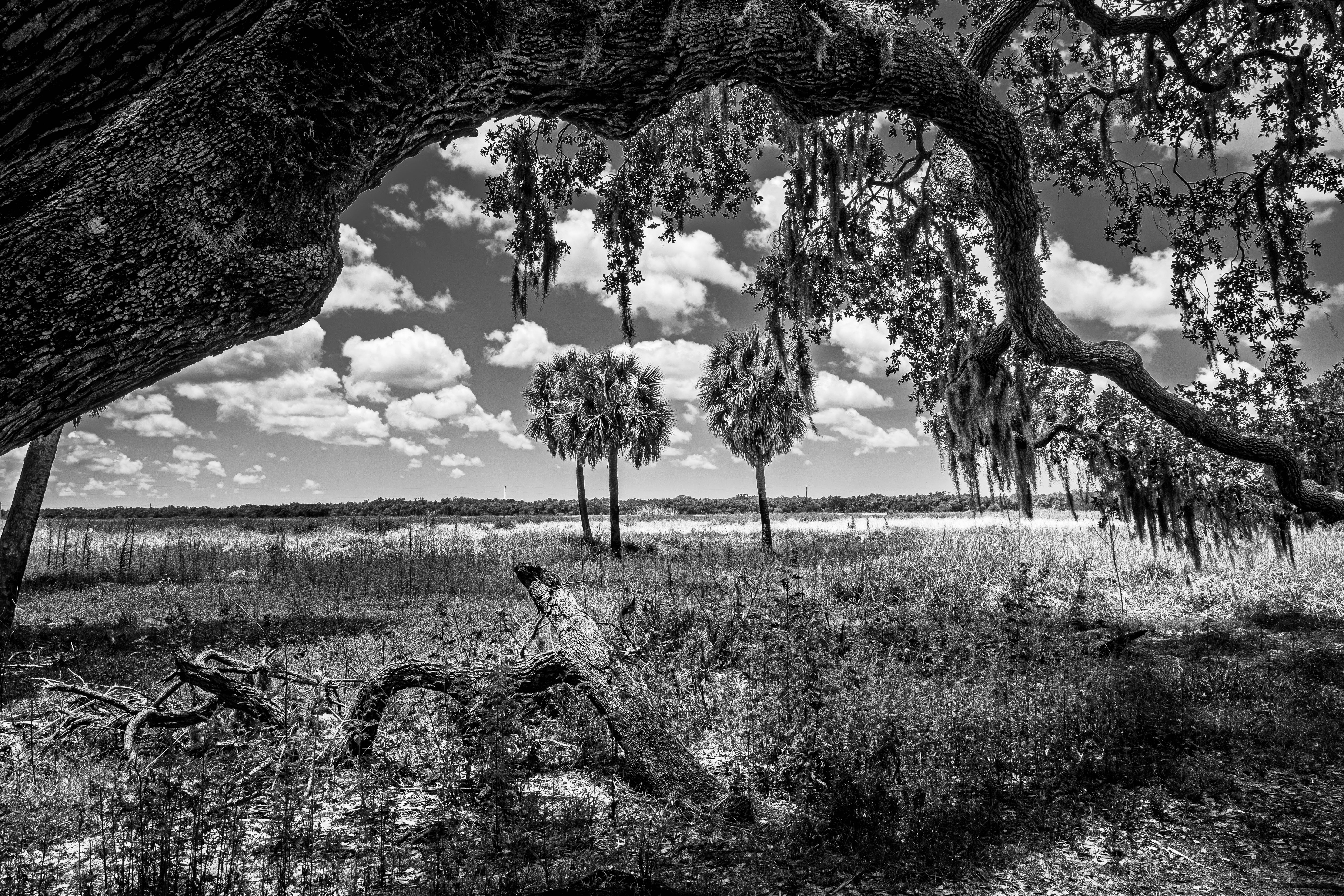
“It is imperative to maintain portions of the wilderness untouched so that a tree will rot where it falls, a waterfall will pour its curve without generating electricity, a trumpeter swan may float on uncontaminated water – and moderns may at least see what their ancestors knew in their nerves and blood.”
– Bernard De Voto
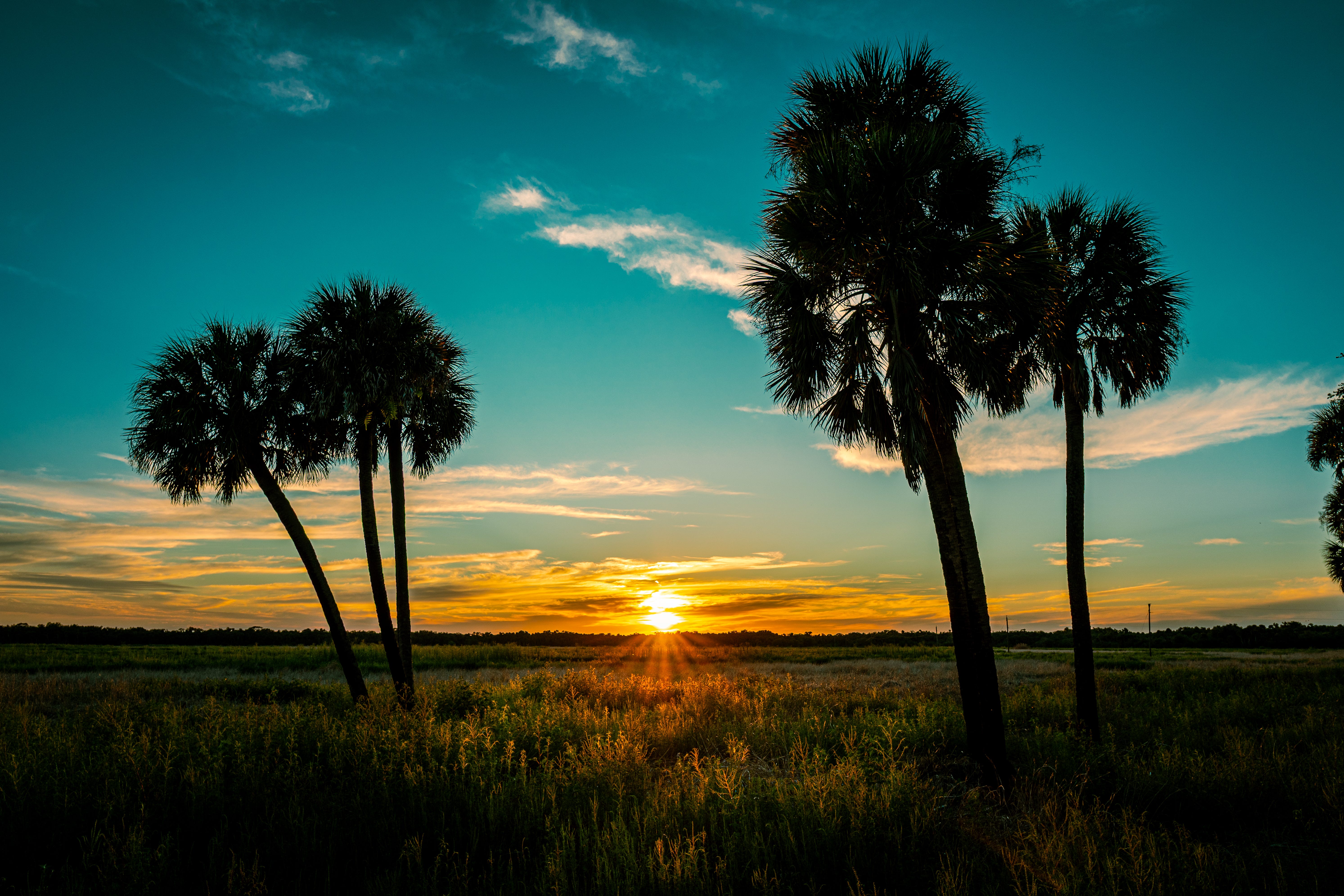
“Without enough wilderness America will change. Democracy, with its myriad personalities and increasing sophistication, must be fibred and vitalized by regular contact with outdoor growths — animals, trees, sun warmth and free skies — or it will dwindle and pale.”
– Walt Whitman
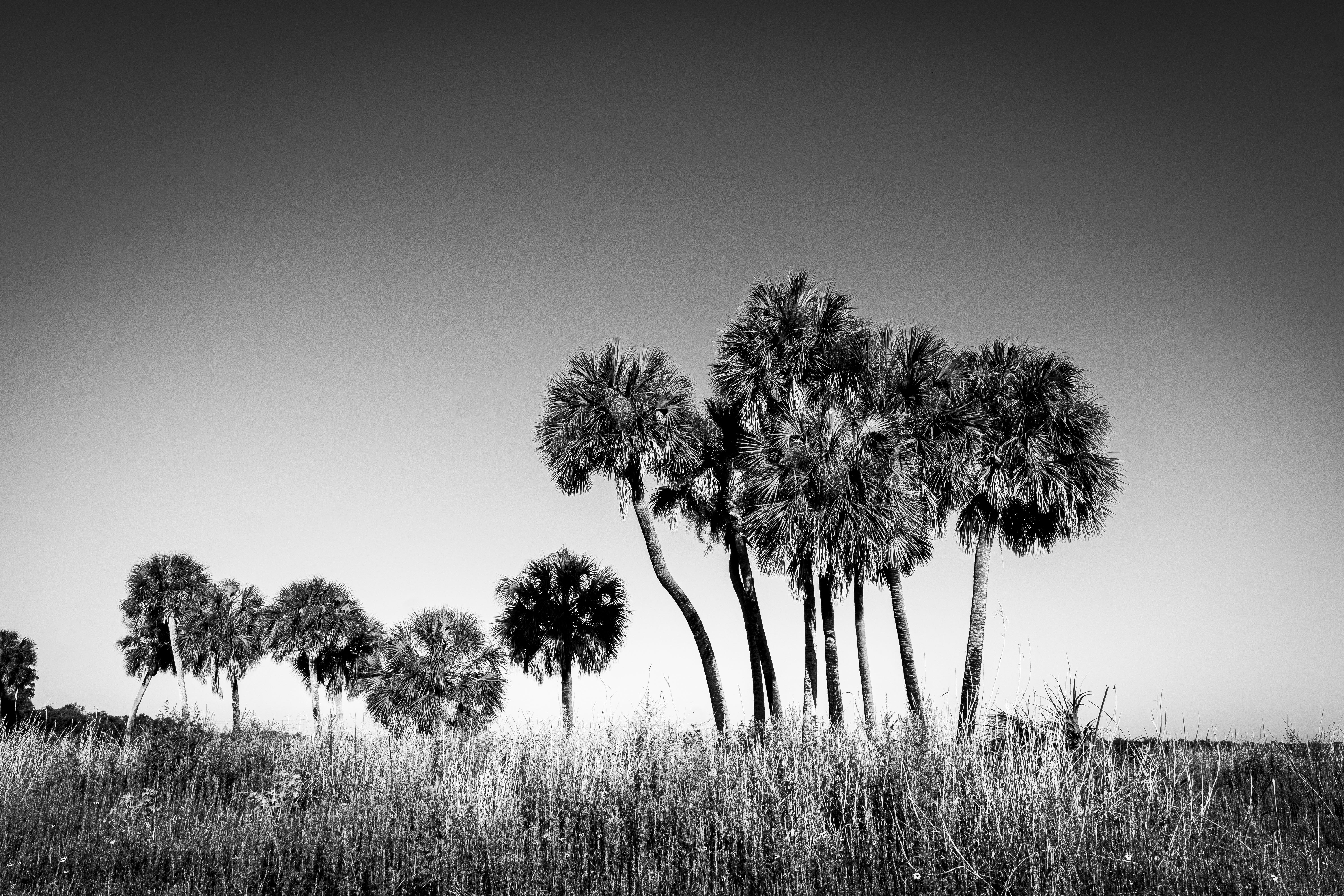
“If you know wilderness in the way that you know love, you would be unwilling to let it go…. This is the story of our past and it will be the story of our future.”
– Terry Tempest Williams
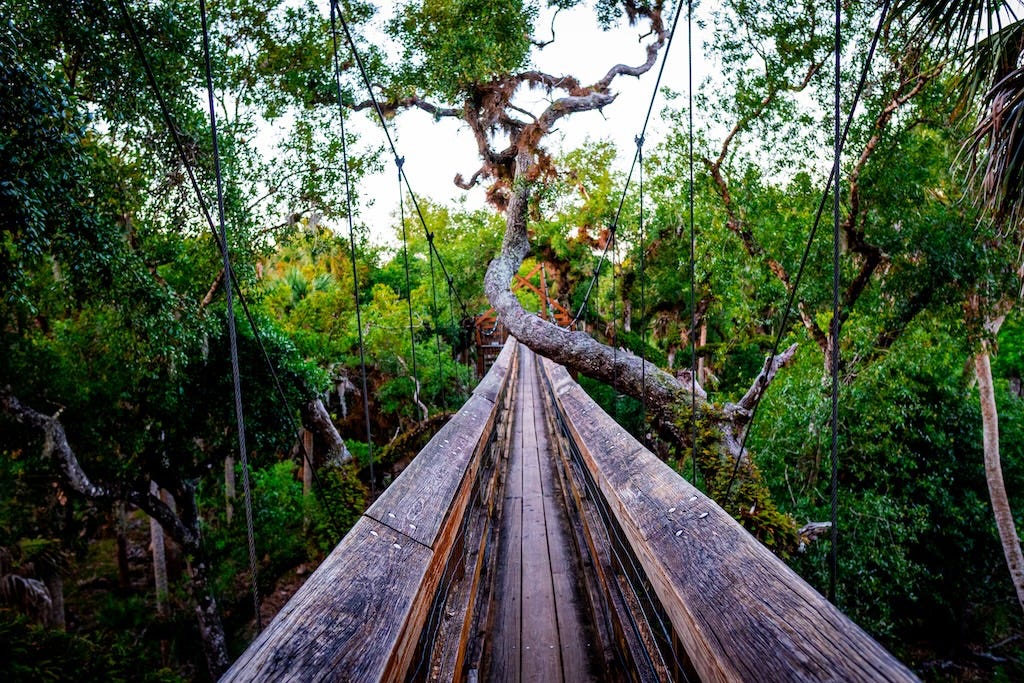
“The more civilized man becomes, the more he needs and craves a great background of forest wildness, to which he may return like a contrite prodigal from the husks of an artificial life.”
– Ellen Burns Sherman
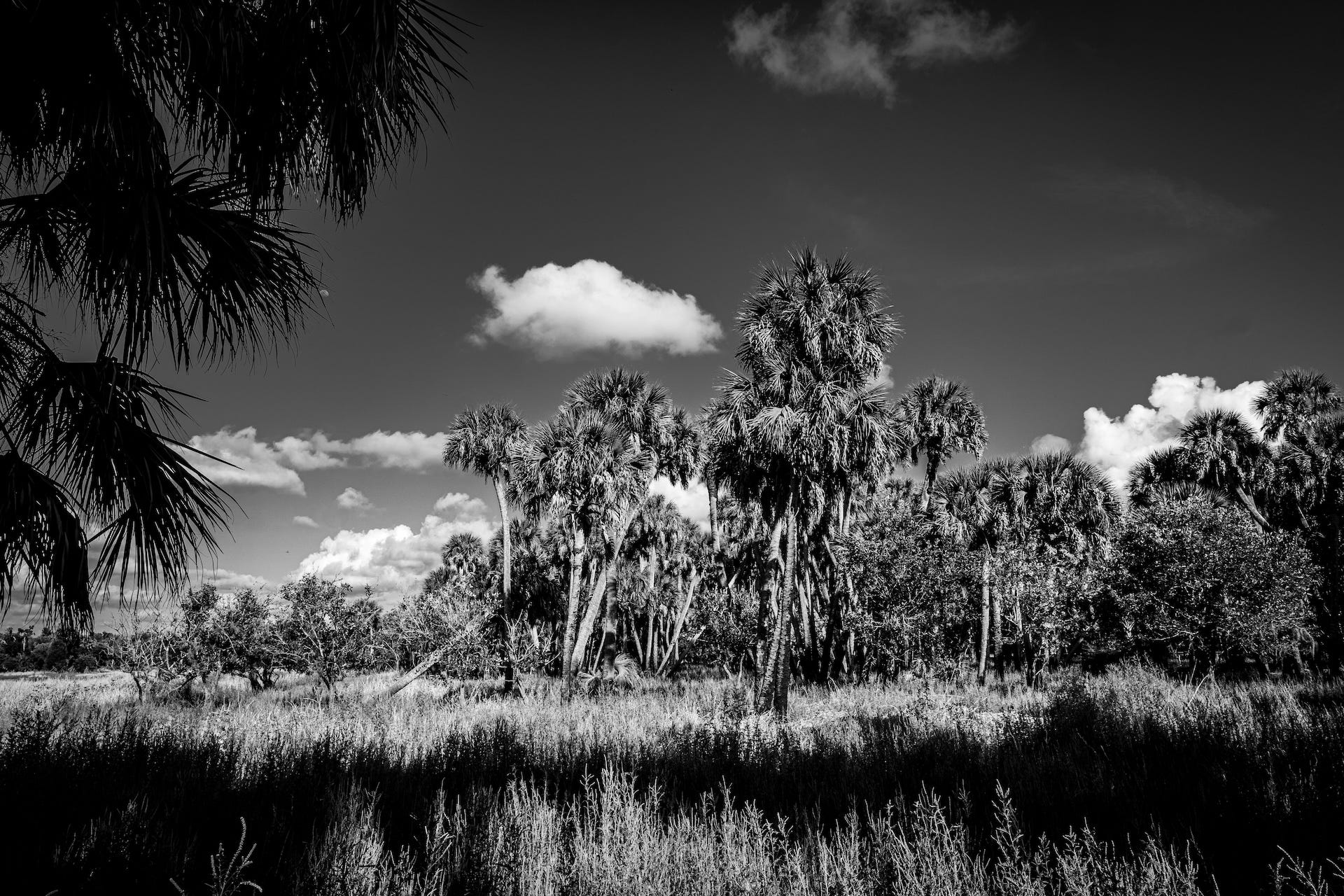
I enter a swamp as a sacred place—a sanctum sanctorum. There is the strength—the marrow of Nature.
— Thoreau
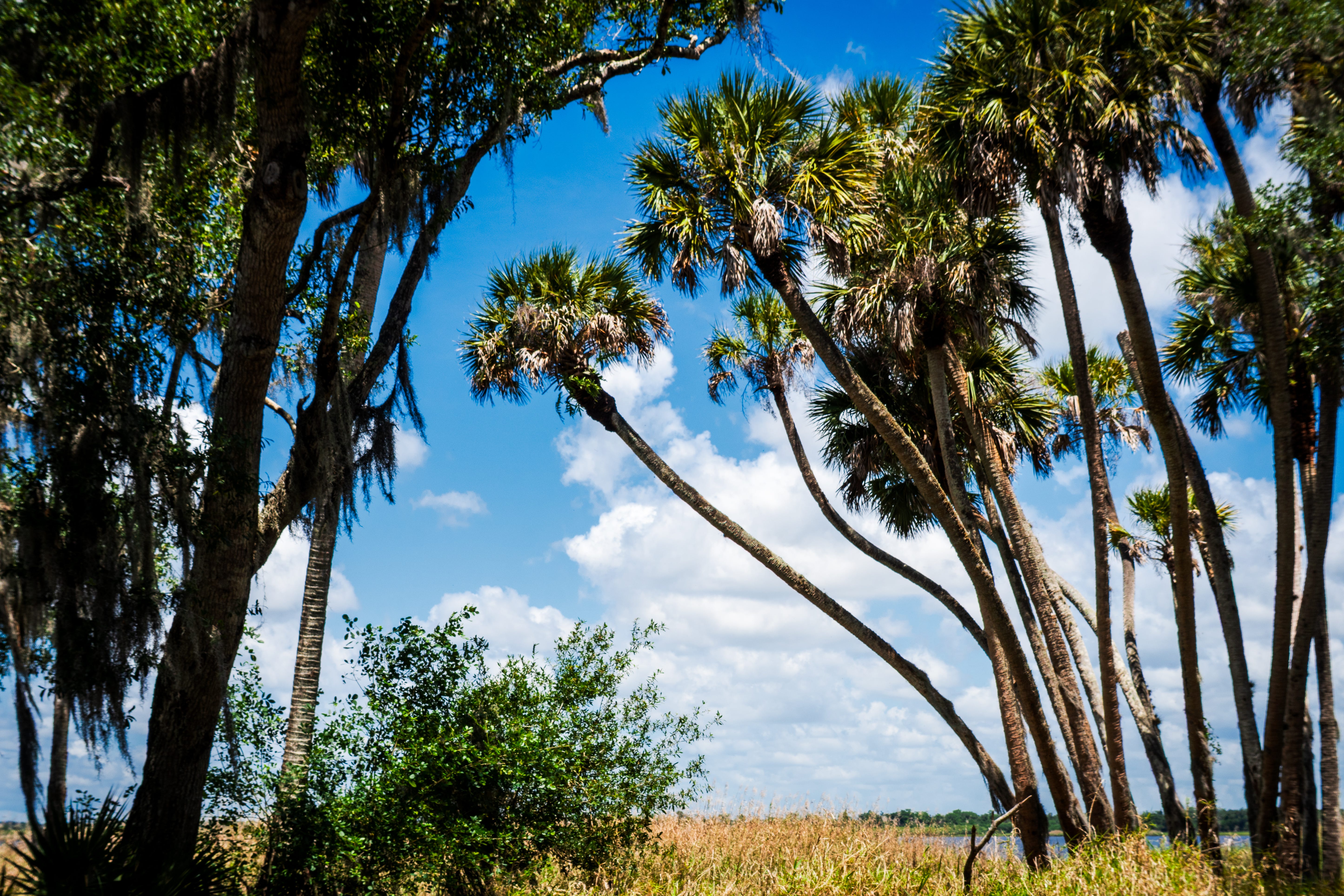
“And so I go to the woods. As I go in under the trees, dependably, almost at once, and by nothing I do, things fall into place. I enter an order that does not exist outside, in the human spaces....I am less important than I thought. I rejoice in that.”
—Wendell Berry
“Ordinarily, I go to the woods alone, with not a single friend, for they are all smilers and talkers and therefore unsuitable. I don’t really want to be witnessed talking to the catbirds or hugging the old black oak tree. I have my way of praying, as you no doubt have yours. Besides, when I am alone I can become invisible.”
—Mary Oliver
“There is nothing like being left alone again, to walk peacefully with oneself in the woods. To boil one’s coffee and fill one’s pipe, and to think idly and slowly as one does it.”
—Knut Hamsun
When we get out of the glass bottles of our ego,
and when we escape like squirrels turning in the
cages of our personality
and get into the forests again,
we shall shiver with cold and fright
but things will happen to us
so that we don’t know ourselves.

Cool, unlying life will rush in,
and passion will make our bodies taut with power,
we shall stamp our feet with new power
and old things will fall down,
we shall laugh, and institutions will curl up like
burnt paper.-- D.H. Lawrence
Thanks so for reading. Everything I write, research, and curate for this Substack is made possible by readers like you. This page is entirely reader-supported — a labor of love, kept alive by the people who find meaning in it. If you’ve been enjoying the work and aren’t quite ready to subscribe, but still want to support it in some way, you can leave a one-time tip through Buy Me a Coffee — if that’s within your reach.
Every gesture, every note of encouragement, every quiet reader who lingers here — you’ve helped turn this into something rare and luminous: a small, strange, beautiful corner of the internet. I’m deeply grateful. Thank you for being part of it.