Don’t listen to me; my heart’s been broken.
I don’t see anything objectively.

I know myself; I’ve learned to hear like a psychiatrist.
When I speak passionately,
that’s when I’m least to be trusted.

It’s very sad, really: all my life, I’ve been praised
for my intelligence, my powers of language, of insight.
In the end, they’re wasted—

I never see myself,
standing on the front steps, holding my sister’s hand.
That’s why I can’t account
for the bruises on her arm, where the sleeve ends.

In my own mind, I’m invisible: that’s why I’m dangerous.
People like me, who seem selfless,
we’re the cripples, the liars;
we’re the ones who should be factored out
in the interest of truth.

When I’m quiet, that’s when the truth emerges.
A clear sky, the clouds like white fibers.
Underneath, a little gray house, the azaleas
red and bright pink.

If you want the truth, you have to close yourself
to the older daughter, block her out:
when a living thing is hurt like that,
in its deepest workings,
all function is altered.

That’s why I’m not to be trusted.
Because a wound to the heart
is also a wound to the mind.
Poetic Outlaws is a reader-supported publication. To receive new posts and support my work, consider becoming a free or paid subscriber.
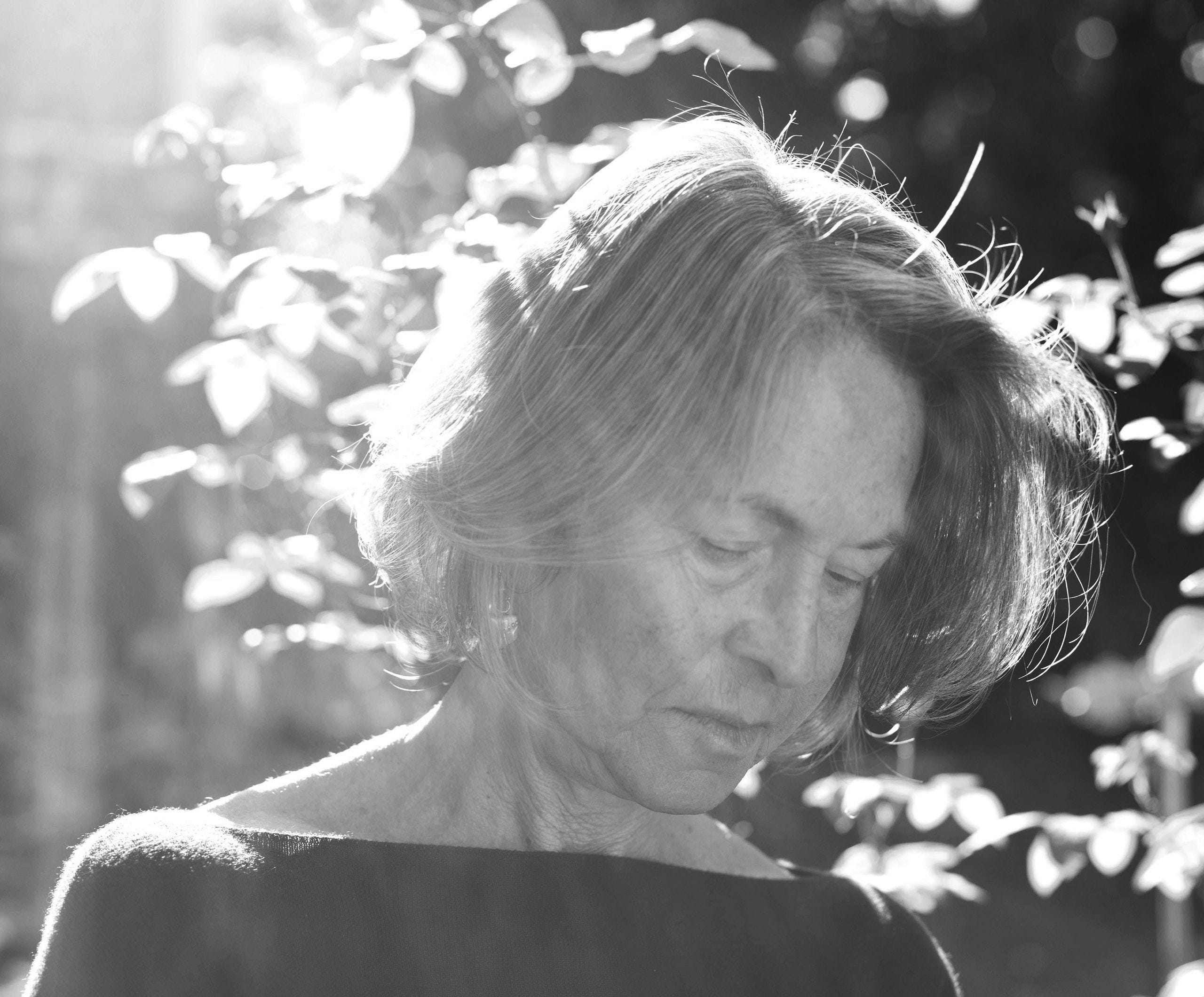
You can find this poem by the late Nobel laureate Louise Glück, published in her 1990 collection Ararat.
If you’ve been enjoying the work and aren’t quite ready to subscribe, but still want to support this Substack page in some way, you can leave a one-time tip through Buy Me a Coffee — if that’s within your reach. Thank you so much for the support.