

The body can never start over. Touching its eyelids
you'll know that a lump of clay's more alive,
since earth, even at dawn, merely turns inward in silence.
But a corpse is what's left after waking too soon.

We have only this single virtue: to begin,
each morning, our life—in the face of the earth,
beneath a hushed sky—awaiting an awakening.
Some are amazed that dawn is such hard work;
from making to waking a task is completed.
But we live merely to give with a shudder
to the future work and to wake up the earth once.
And sometimes it wakes. Then returns to our silence.

If the hand brushing that face were not so unsteady--
that living hand that feels life if it touches it--
if that cold were really nothing but the cold
of the earth, in the earth-freezing dawn, then perhaps
this would be an awakening, and all that's now silent
beneath dawn would again speak. But my hand
is shaking, and resembles of all things the hand
that is still.

                At other times, to awaken at dawn
was a sharp pain, a slashing of light,
but a liberation as well. The earth's stingy word
was happy for a moment, and to die was still to go back
to that place. Now, the body that's waiting is what's left
after waking too often, it won't return to the earth.
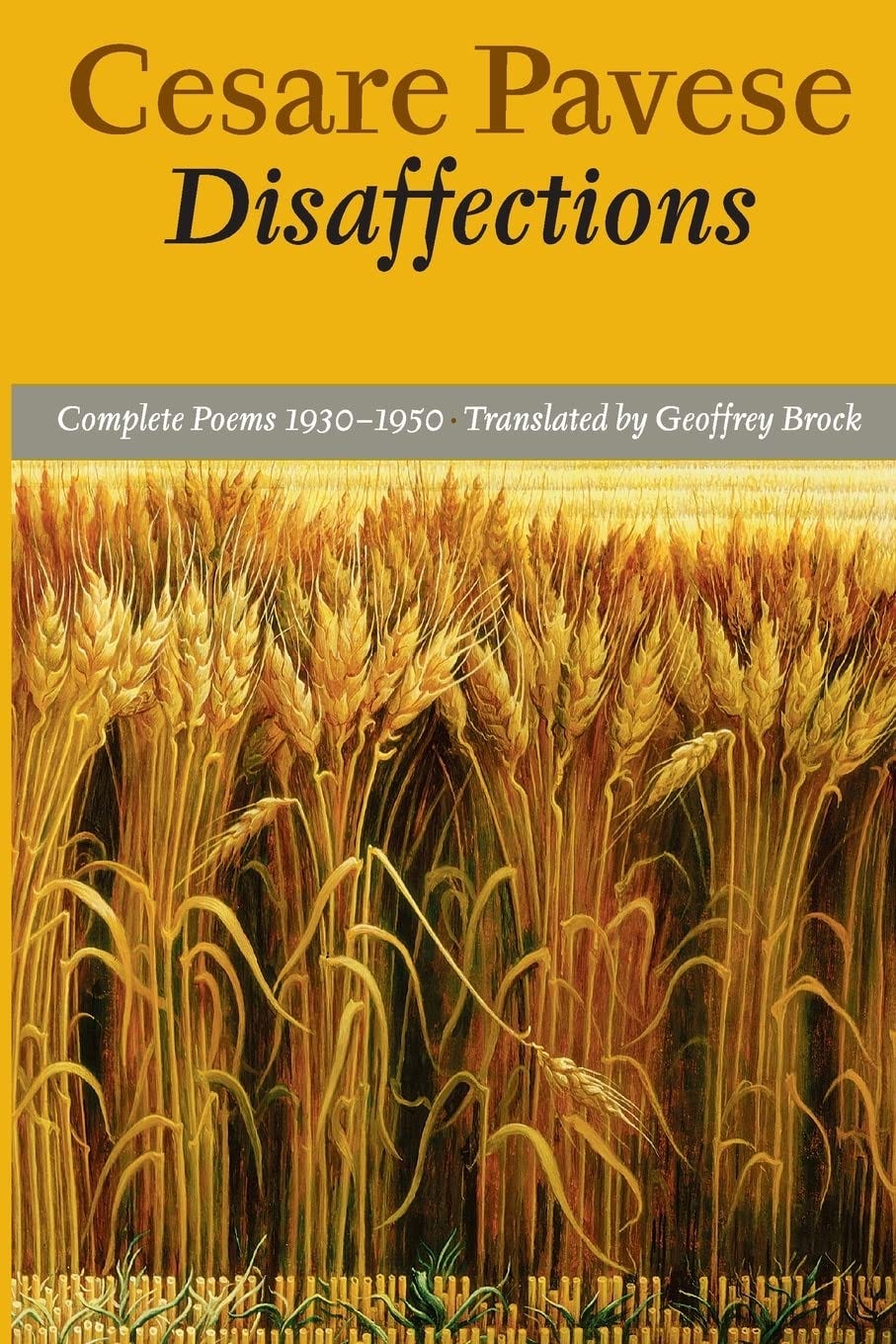
They can't even say it, the stiffening lips. You can find this poem in Cesare Pavese’s Disaffections: Complete Poems 1930-1950. Translation by Geoffrey Brock.
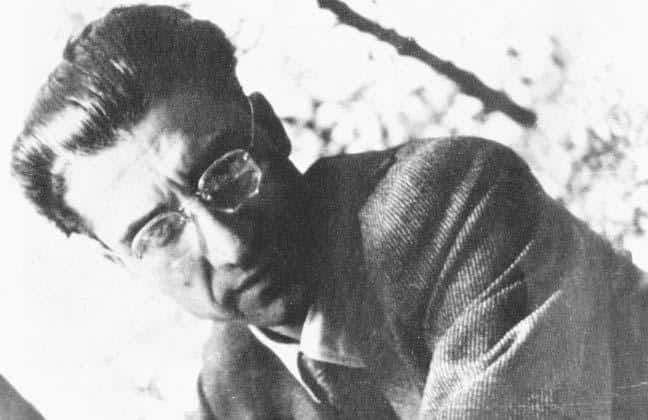
Cesare Pavese (1908–1950) was an Italian poet and novelist whose writing is marked by plain language, emotional restraint, and a deep sense of loneliness. He grew up in the Piedmont countryside, a landscape that stayed central to his work, especially as a place of memory, loss, and return. Even when his characters live in cities, they are haunted by rural origins and by a feeling of being cut off from others.
His poetry, especially Lavorare stanca (Hard Labor), broke with the ornate lyricism common in Italian poetry at the time. Pavese wrote in a dry, narrative voice, often focusing on ordinary gestures, work, desire, and exhaustion. The poems feel close to prose, but they carry a quiet, steady rhythm and an intense emotional weight.
Pavese’s novels continue these themes. Books like Il carcere (The Prison), La casa in collina (The House on the Hill), and La luna e i falò (The Moon and the Bonfires) follow isolated figures who struggle to belong—to a place, to a community, or to another person. His characters often observe life more than they participate in it, and their inner silence is as important as what they say.
Across both poetry and fiction, Pavese wrote about desire unfulfilled, the pain of self-awareness, and the idea that adulthood means learning how alone one is.
Despite literary success and critical acclaim—including the prestigious Strega Prize in 1950—Pavese struggled with depression and died by suicide later that year, leaving behind a body of work marked by lyrical intensity and existential depth.