

“Creative courage is the discovery of new forms, new patterns on which society can be built.” — Rollo May
What is the one quality possessed by all geniuses? How can we acquire creative courage? What takes place in the creative instant? How can creative power make your life richer and more satisfying?
These are the themes that American existential psychologist Rollo May set out to explore in his 1975 book, The Courage to Creative. May, his whole life, was haunted by the burning question: why create? What’s the deeper meaning behind the creative act? Why are certain individuals called upon to depart from the well-worn path and bring into the world something new?
These ponderings led the great psychologist to believe that we express our BEING in the act of creation. It’s how we give form to our inner life. “It is,” in his words, “the struggle against disintegration, the struggle to bring into existence new kinds of being that give harmony and integration.”
Below, I have put together a few stimulating passages from this vital book to hopefully help spark your own “Promethean impulse” to create… dangerously. This book, read in its entirety, is well worth your time.
The Courage of the Creative Act
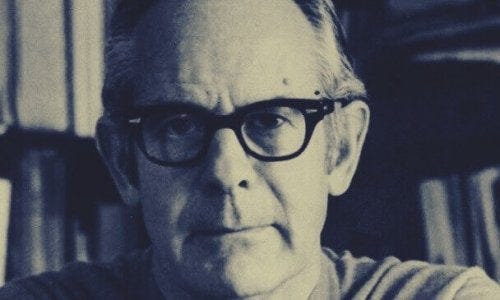
“If you do not express your own original ideas, if you do not listen to your own being, you will have betrayed yourself. Also you will have betrayed our community in failing to make your contribution to the whole.”
"The vision of the artist or the poet is the intermediate determinant between the subject (the person) and the objective pole (the world-waiting-to-be). It will be nonbeing until the poet's struggle brings forth an answer — meaning.
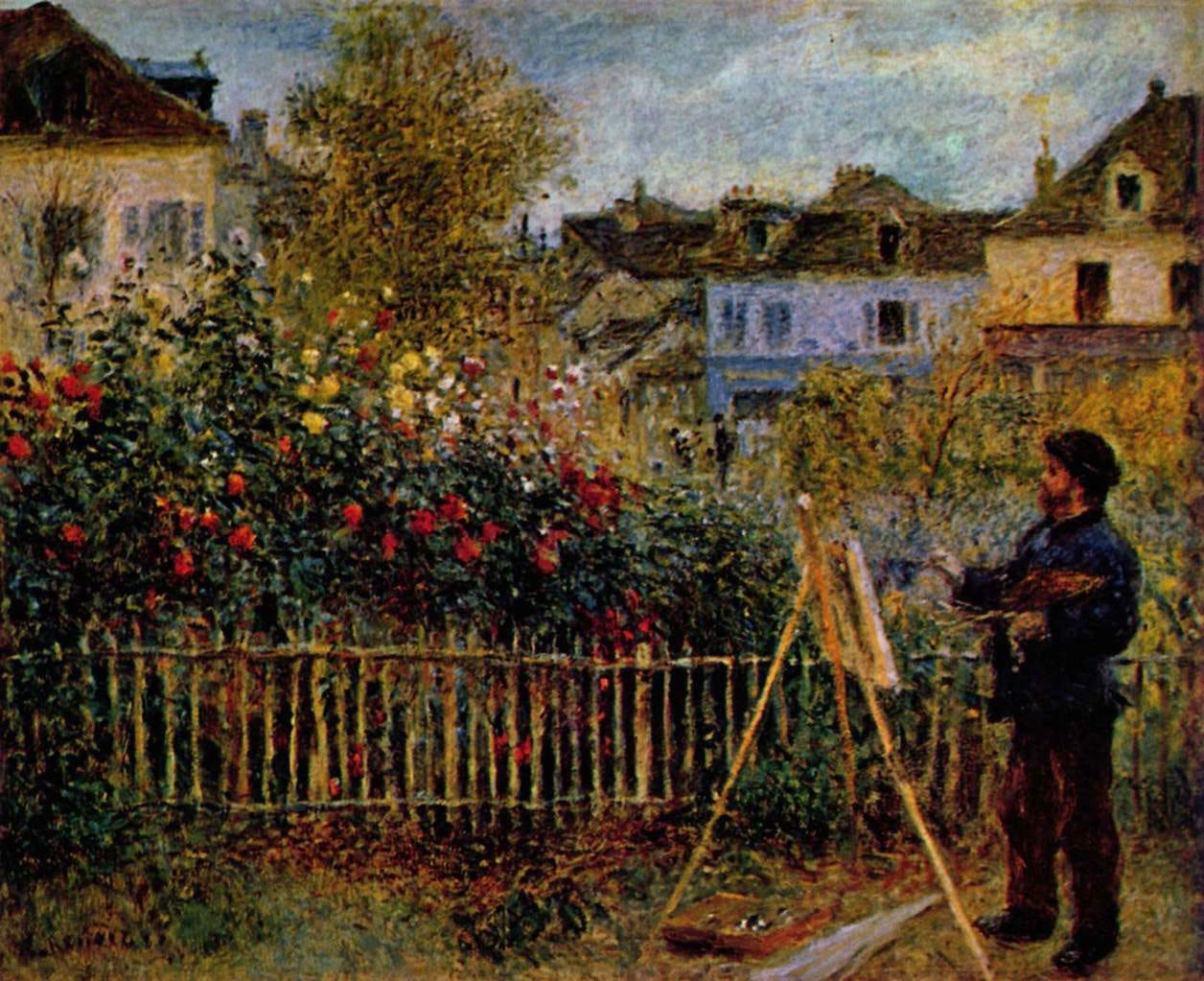
The greatness of a poem or a painting is not that it portrays the thing observed or experienced, but that it portrays the artist's or the poet's vision cued off by his encounter with the reality. Hence the poem or the painting is unique, original, never to be duplicated. No matter how many times Monet returned to paint the cathedral at Rouen, each canvas was a new painting expressing a new vision."
“People who claim to be absolutely convinced that their stand is the only right one are dangerous. Such conviction is the essence not only of dogmatism, but of its more destructive cousin, fanaticism. It blocks off the user from learning new truth, and it is a dead giveaway of unconscious doubt. The person then has to double his or her protests in order to quiet not only the opposition but his or her own unconscious doubts as well.”
“Creative people, as I see them, are distinguished by the fact that they can live with anxiety, even though a high price may be paid in terms of insecurity, sensitivity, and defenselessness for the gift of the “divine madness,” to borrow the term used by the classical Greeks. They do not run away from non-being, but by encountering and wrestling with it, force it to produce being. They knock on silence for an answering music; they pursue meaninglessness until they can force it to mean.”
“Poets may be delightful creatures in the meadow or the garret, but they are menaces on the assembly line.”
“The artist is not a moralist by conscious intention, but is concerned only with hearing and expressing the vision within his or her own being. But out of the symbols the artist sees and creates…there is later hewn the ethical structure of the society.”
“Artists are generally soft-spoken persons who are concerned with their inner visions and images. But that is precisely what makes them feared by any coercive society. For they are the bearers of the human being’s age-old capacity to be insurgent…Forever unsatisfied with the mundane, the apathetic, the conventional, they always push on to newer worlds. Thus are they the creators of the ‘uncreated conscience of the race.’”
When I use the word rebel for the artist, I do not refer to revolutionary or to such things as taking over the dean’s office; that is a different matter. Artists are generally soft-spoken persons who are concerned with their inner visions and images. But that is precisely what makes them feared by any coercive society. For they are the bearers of the human being’s age-old capacity to be insurgent.”